Credits
Every photograph on this site
Licences were checked on each source page on 18 November 2026. CC BY and CC BY 3.0 stills are used on the website and credited; they are not placed in the typographic PDFs. CC BY-SA stills are used on the website only, and are not placed in the downloadable fact sheets.
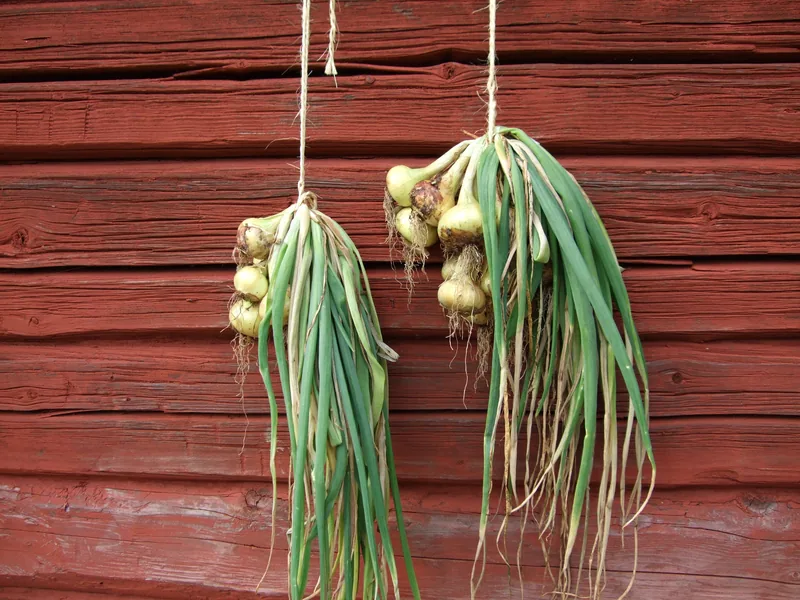
Onions hung up to dry, photographed by Ztaffanb on 3 August 2007. The Royal Horticultural Society dries the crop for about two weeks, then may “tie them into plaits and hang them up.” Public domain. Photo: Ztaffanb · Public domain · Wikimedia Commons 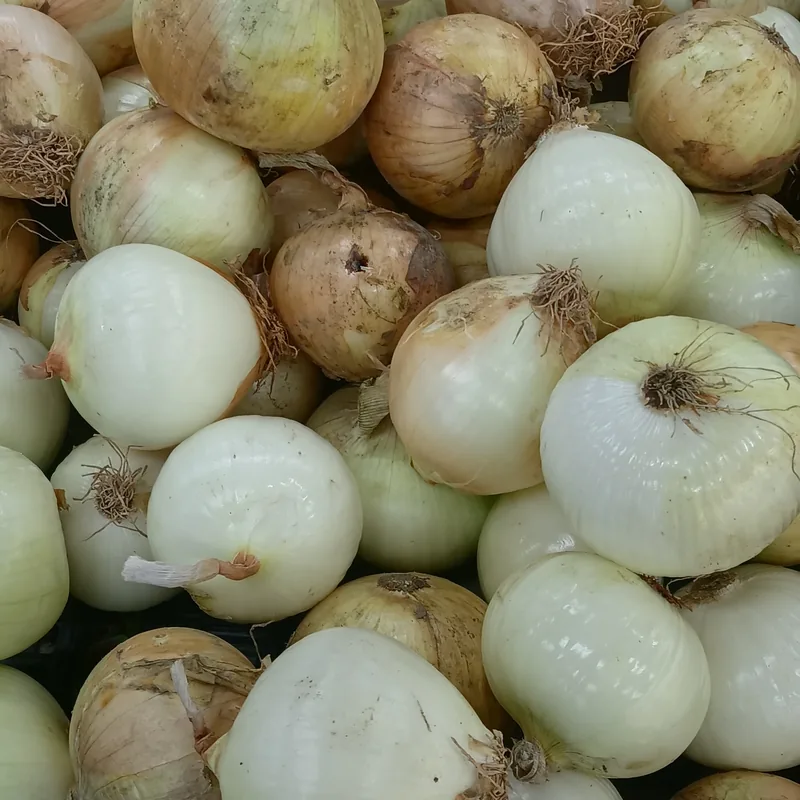
Pale yellow and white onions, photographed by Fumikas Sagisavas on 3 June 2024. The Commons file is titled “Yellow onion,” but the photograph is a heap of pale yellow and white bulbs. The title is kept as the file’s own title. CC0. Photo: Fumikas Sagisavas · CC0 · Wikimedia Commons 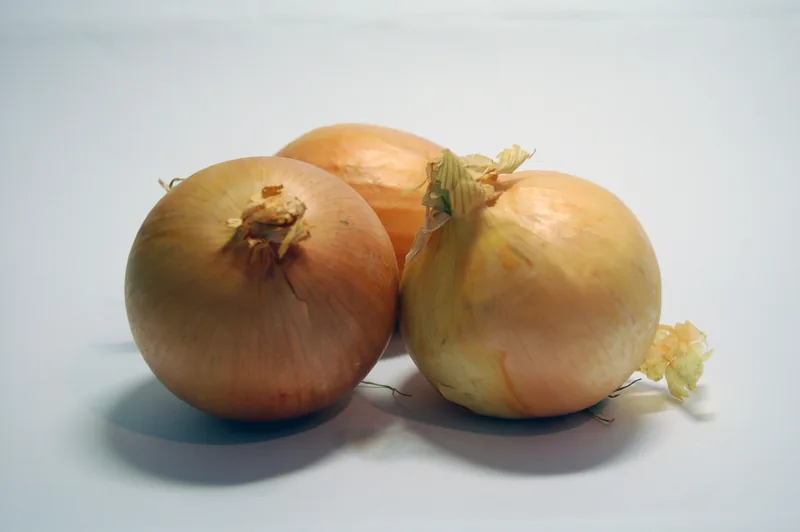
Brown-skinned onions, photographed by Alex Lomas on 19 August 2007. The file is titled Allium cepa. CC BY 2.0. Photo: Alex Lomas · CC BY 2.0 · Alex Lomas / Wikimedia Commons 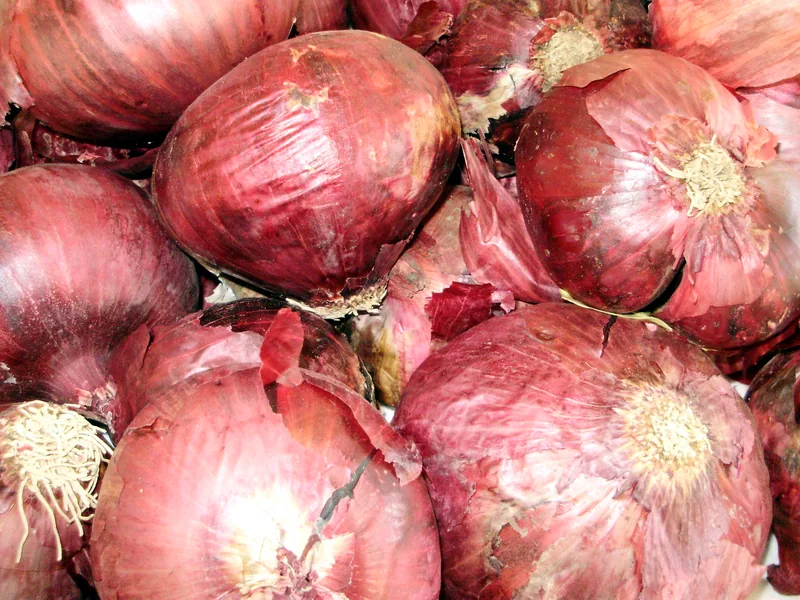
Red onions, photographed by Bob on 25 July 2008. The Royal Horticultural Society says there are many varieties, “producing yellow, white or red onions.” CC BY 2.0. Photo: Bob · CC BY 2.0 · Bob / Wikimedia Commons 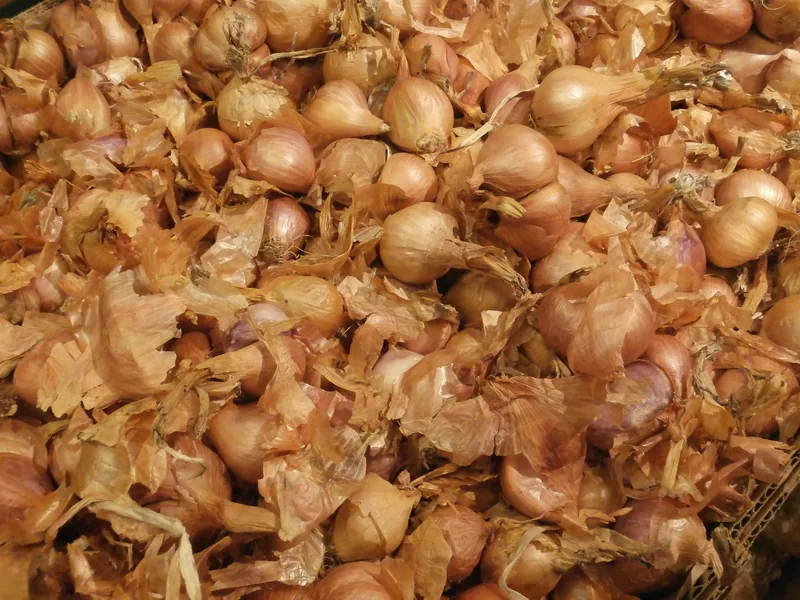
Shallots for sale, photographed by Jeffery Martin on 5 January 2014. The Royal Horticultural Society calls shallots Allium cepa Aggregatum Group, “a type of small, sweet onion.” That official grouping is kept beside Encyclopaedia Britannica’s official wording, which describes shallots as “a small, angular variety of onion.” CC0. Photo: Jeffery Martin · CC0 · Wikimedia Commons 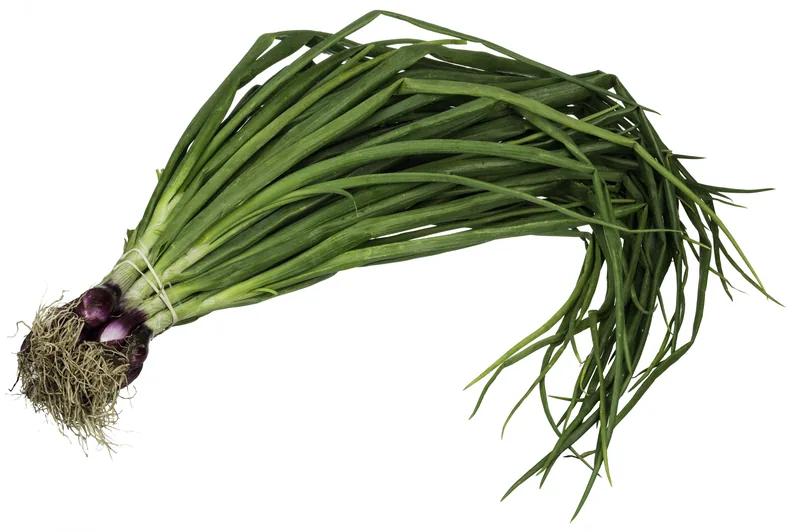
A bunch of red spring onions, photographed by Evan-Amos on 2 July 2014. The Society groups salad onions, also called spring onions and scallions, as one crop. Encyclopaedia Britannica keeps official wording for spring onions and for green onions, also called scallions, as two entries with different official sizes. Those official wordings stay apart. Public domain. Photo: Evan-Amos · Public domain · Wikimedia Commons 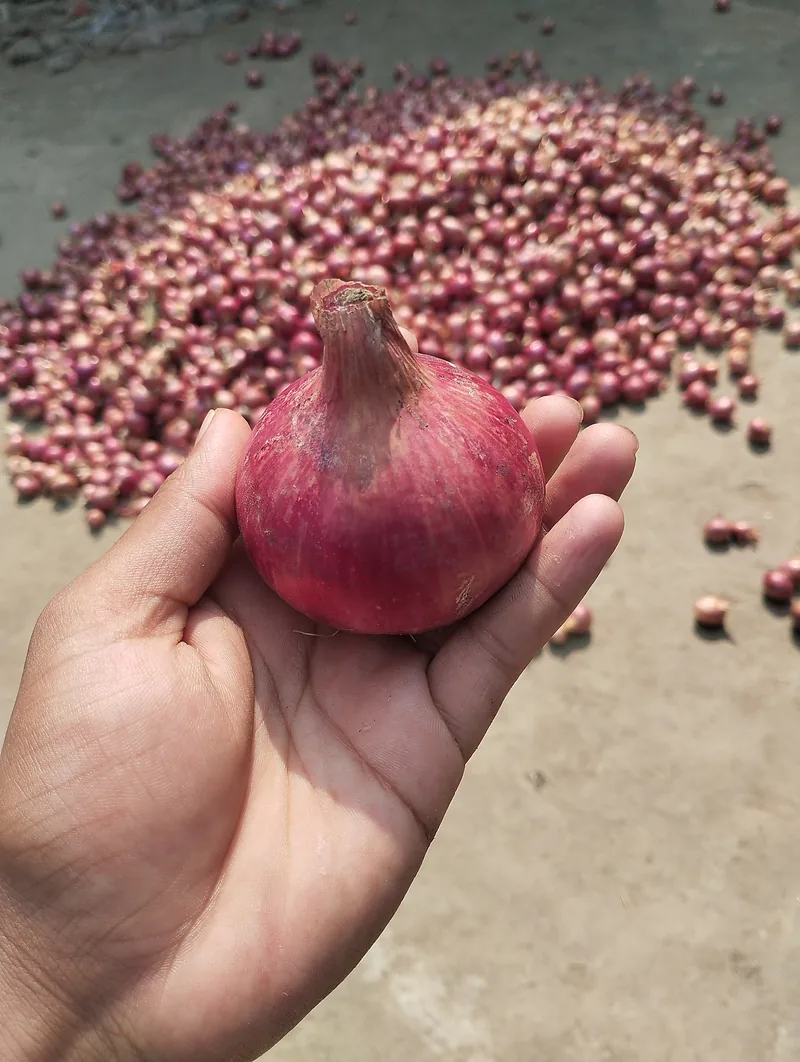
A harvested onion in Kushtia Sadar Upazila, Bangladesh, photographed by Sakib8785 on 30 March 2025. Encyclopaedia Britannica says the onion is now grown throughout the world, chiefly in the temperate zones. CC BY 4.0. Photo: Sakib8785 · CC BY 4.0 · Sakib8785 / Wikimedia Commons 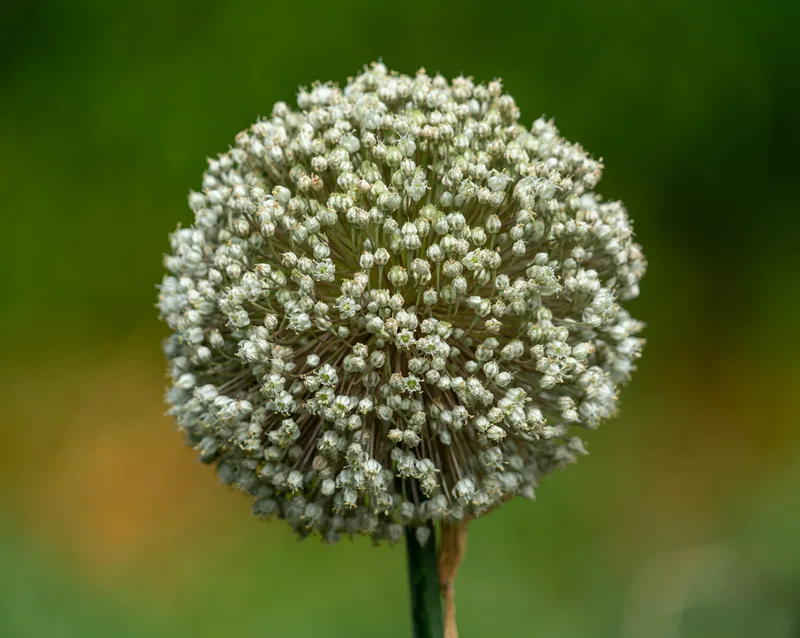
“Onion flower (Allium cepa), Quinta Pedagógica dos Olivais, Lisbon, Portugal,” photographed by Jules Verne Times Two on 26 June 2022. Encyclopaedia Britannica describes a spherical cluster of small greenish white flowers. Used on the website only, under CC BY-SA 4.0. Photo: Jules Verne Times Two · CC BY-SA 4.0 · Jules Verne Times Two / Wikimedia Commons 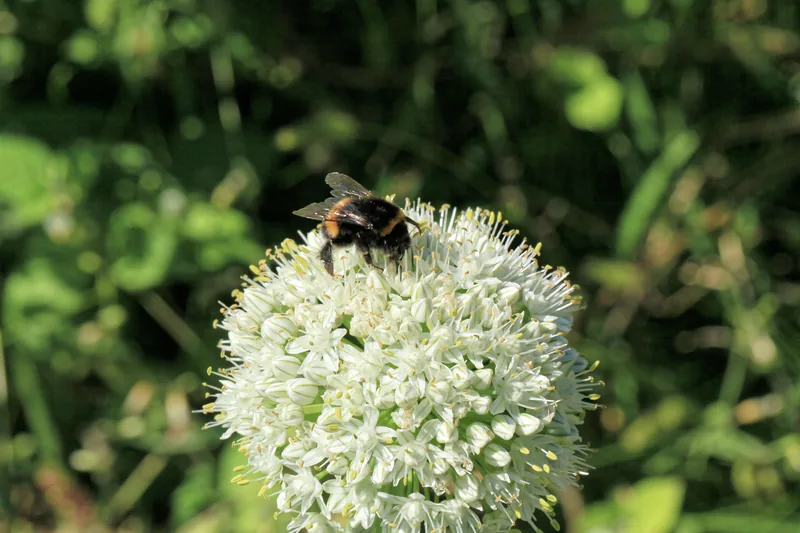
A flowering onion, Allium cepa, in a garden in Kluse (Emsland), photographed by Frank Vincentz on 15 July 2018. Used on the website only, under CC BY-SA 3.0. Photo: Frank Vincentz · CC BY-SA 3.0 · Frank Vincentz / Wikimedia Commons 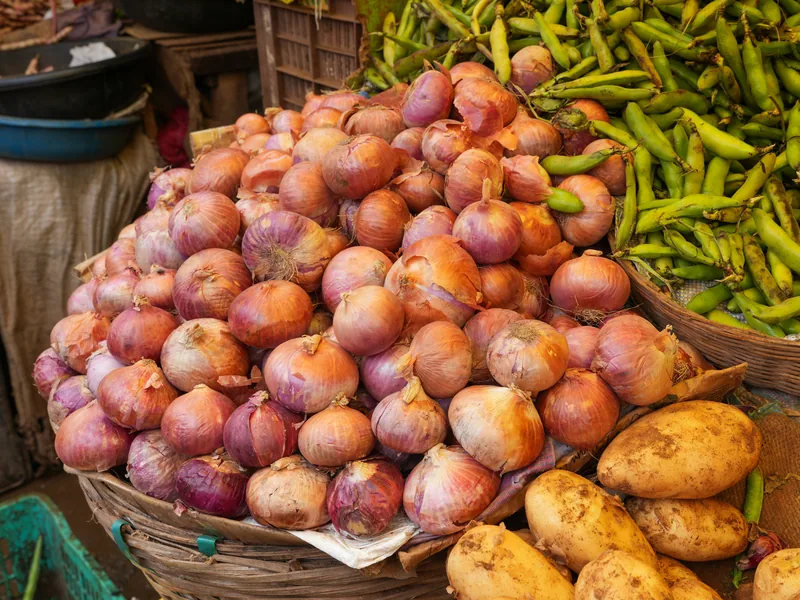
“Onions in a vegetable stall, Ooty Municipal Market, Ooty, Nilgiris, Tamil Nadu, India,” photographed by Timothy A. Gonsalves on 15 August 2025. Used on the website only, under CC BY-SA 4.0. Photo: Timothy A. Gonsalves · CC BY-SA 4.0 · Timothy A. Gonsalves / Wikimedia Commons 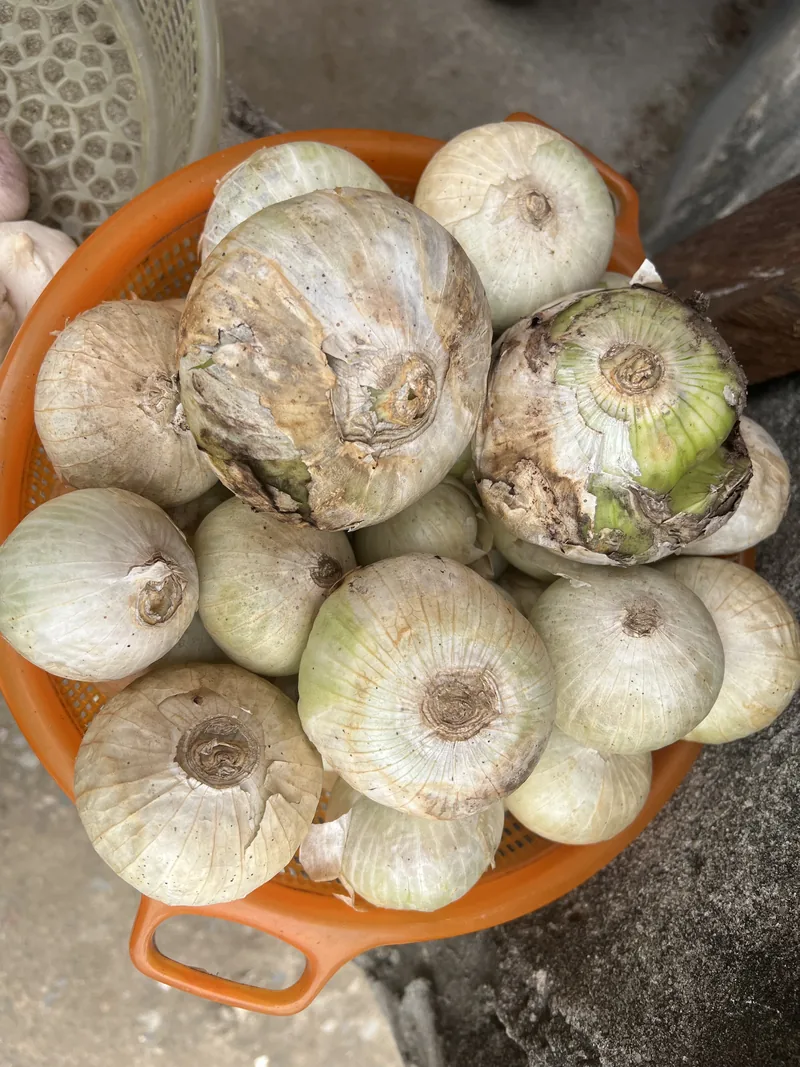
“White Onions for sale in the Market,” photographed by Iwai-Dialax on 22 March 2025. CC BY 4.0. Photo: Iwai-Dialax · CC BY 4.0 · Iwai-Dialax / Wikimedia Commons 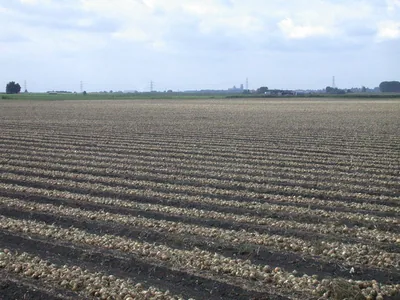
“Onion harvest,” photographed by Keith Edkins on 7 September 2007. The file also calls the still “One of the 36 Views of Ely Cathedral.” Both file wordings are kept as written. Used on the website only, under CC BY-SA 2.0. The original is 640 pixels wide, so this still is used at 400 pixels only. Photo: Keith Edkins · CC BY-SA 2.0 · Keith Edkins / Geograph Britain and Ireland
Enjoyed this desk of sets, shallots, and a store that wants the light?
No pop-ups. No intrusive advertising. Just interesting stuff. A little support helps the next vegetables.im site get built.